
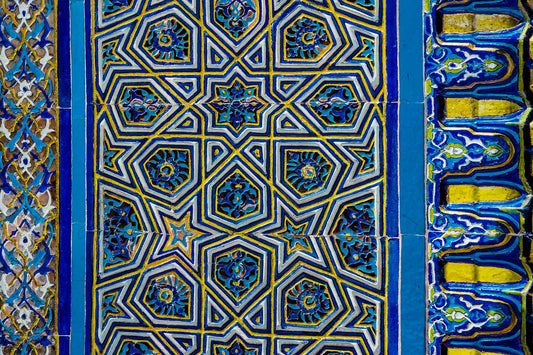
Ceramics from the Sultan Selim I Period
The 1510s are dominated by the campaigns of Selim I, which saw the temporary conquest of Tabriz and the definitive capture of Damascus and Cairo. Selim's reign was brief, and...
The 1510s are dominated by the campaigns of Selim I, which saw the temporary conquest of Tabriz and the definitive capture of Damascus and Cairo. Selim's reign was brief, and...
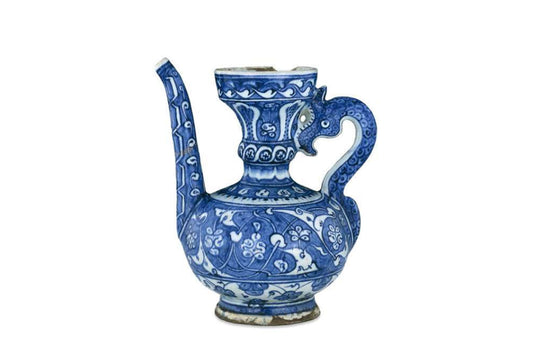
Kütahya, which was the second largest tile production center after Iznik during the Ottoman period, was a city where ceramic production was intensively carried out during the Phrygian, Hellenistic, Roman...
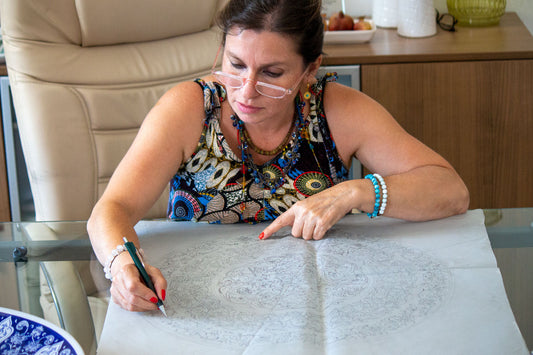
The design principles of tile patterns have been the subject of research in various disciplines. Free compositions aside, the arrangement based on a symmetrical, central, and infinitely reproducible principle, commonly...
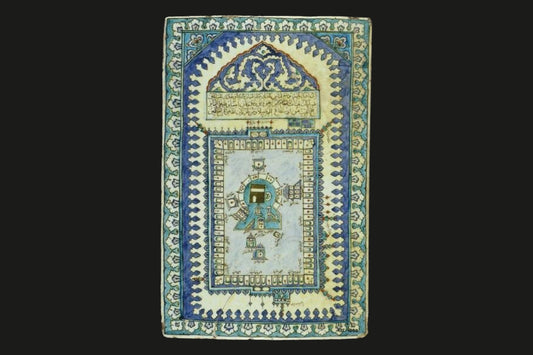
The 18th century of the Ottoman Empire was witnessing a wave of transformation in architecture and art. One of the most significant influences of this wind was the challenges faced...
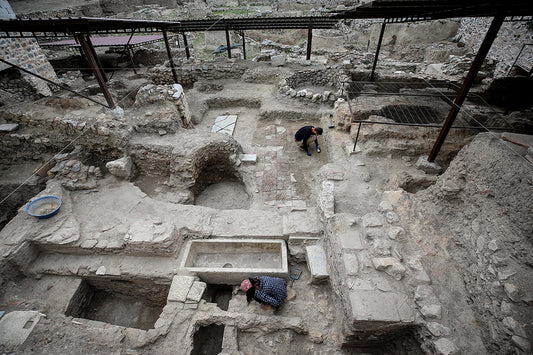
İznik, which holds a special place in Ottoman ceramic art and tile making, is located in the Marmara Region, east of Lake İznik, within a green belt of olive groves...
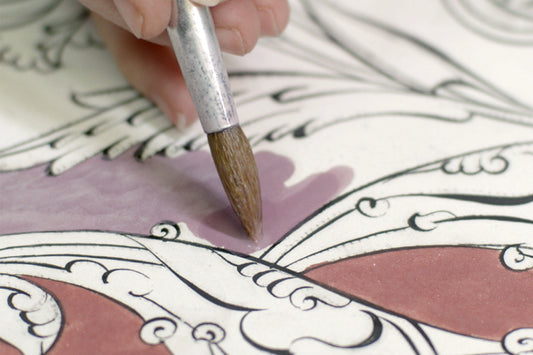
In Ottoman ceramics, where red clay is particularly prevalent, single-colored glazed vessels, sometimes with slips, are seen. While green is generally the color, light turquoise or yellow-brown is also sometimes...
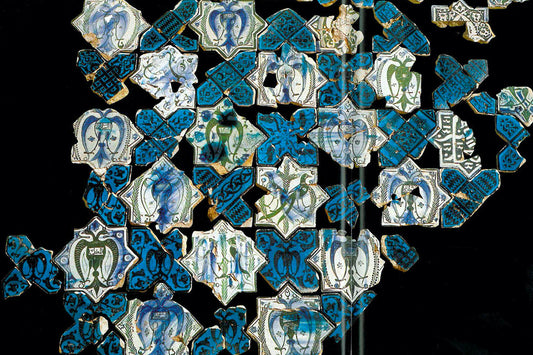
The palace is not a haven of pleasure and indulgence for the upper echelons of society, especially the rulers. Undoubtedly, there's that too; however, the palace is an institution where...
Tile and ceramic art has followed a long evolutionary path in Anatolia. Tile plaques adorning the walls of buildings during the Seljuk, Beylik, and Ottoman periods are notable for their...
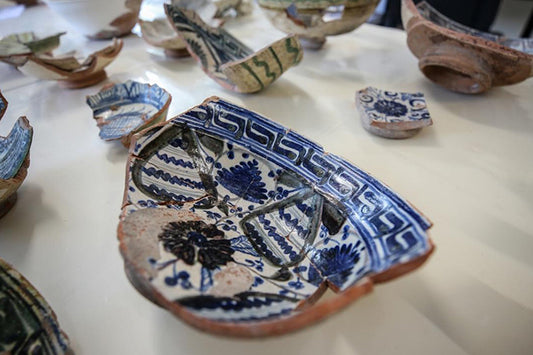
The surviving examples of handicrafts from the Principalities and Early Ottoman periods appear to be simple and unadorned. Museums along our cultural routes generally exhibit archaeological finds dating back to...
As the ceramics of İznik, Kütahya, and Çanakkale reached the Aegean and Mediterranean coasts, ceramics, tiles, and porcelains patterned with similar Ottoman motifs such as flowers, leaves, and rosettes, influenced...